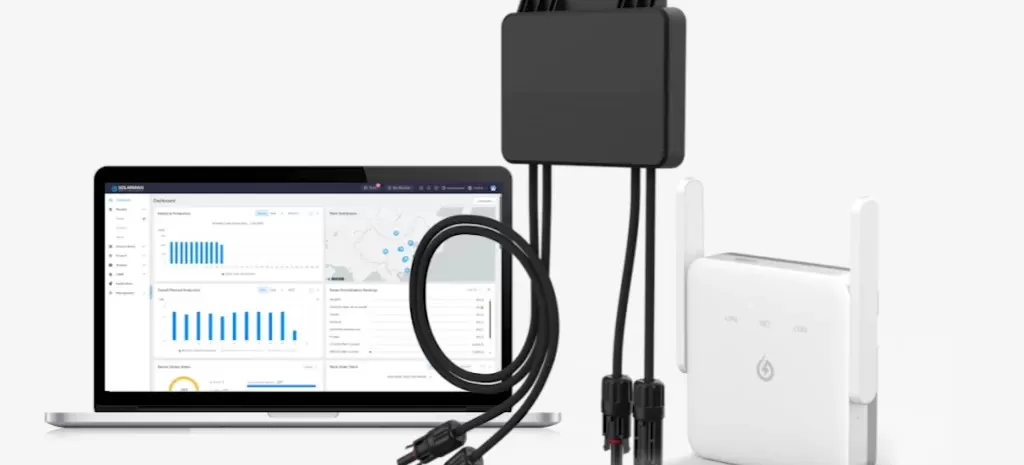
Weather sensors are an important tool that combines modern technology with environmental monitoring. They can collect and analyze large amounts of meteorological data to provide us with accurate weather predictions and climate change monitoring. Weather sensors have a wide range of applications, covering many fields such as meteorology, agriculture, aerospace, and energy industries.
Weather sensors obtain weather and climate information by measuring various physical quantities in the atmosphere. Common weather sensors include temperature sensors, humidity sensors, air pressure sensors, wind speed sensors, precipitation sensors, etc. These sensors convert the collected data into digital signals through electronic devices, and then transmit them to the data center for analysis and processing through wireless networks or wires. The establishment of sensor networks makes data collection no longer limited to a single point, but enables real-time monitoring of large areas.
In the field of meteorology, weather sensors are widely used in weather stations and meteorological satellites to monitor and predict weather changes. The agricultural field uses weather sensors to monitor information such as soil moisture, temperature, and light to help farmers scientifically manage farmland and crop cultivation. In addition, the aerospace industry also relies on weather sensors to monitor atmospheric conditions and ensure the safe takeoff, landing and flight of aircraft.
Weather sensors not only have important applications in the field of science and technology, but also play a key role in environmental protection and climate change monitoring. By deploying weather sensor networks on a large scale, scientists can more accurately monitor global climate change trends, predict the occurrence of extreme weather events, and provide timely response measures. This is of great significance for reducing the impact of natural disasters on human society and protecting the ecological environment.
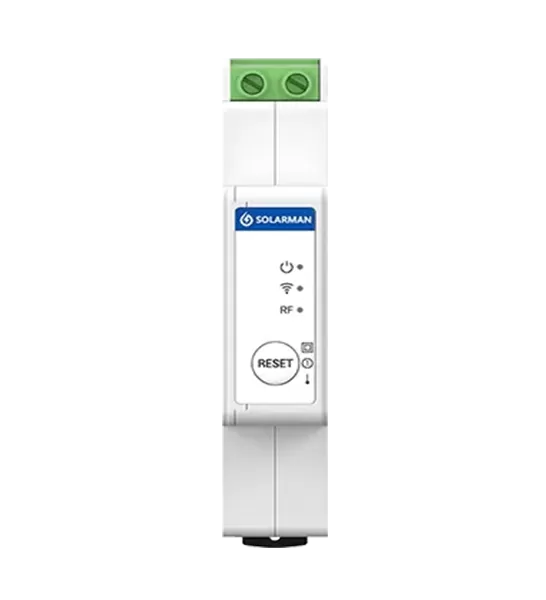
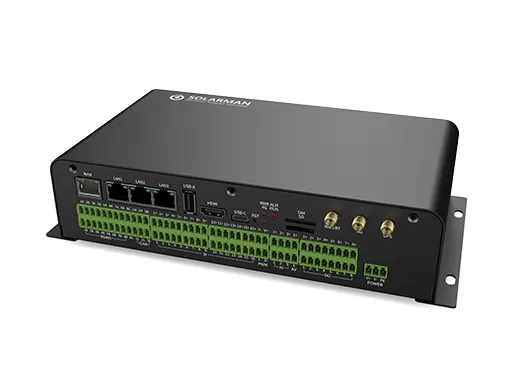
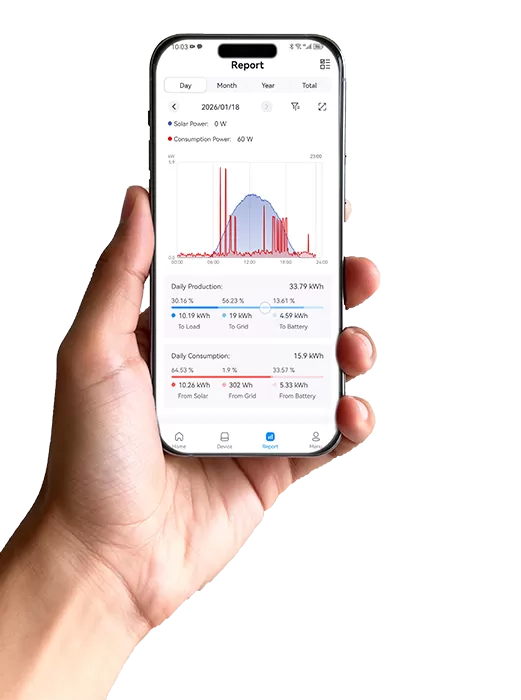
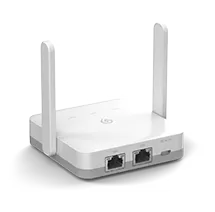
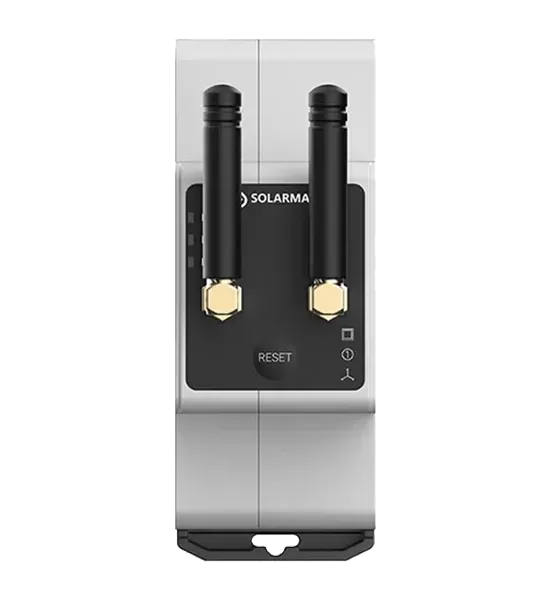
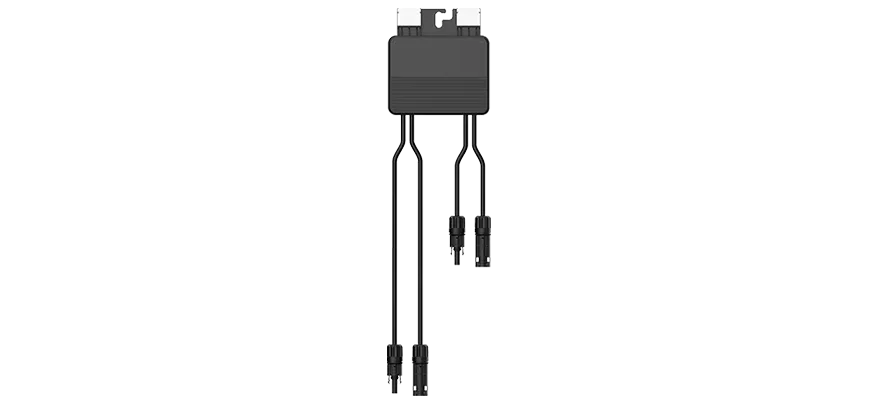
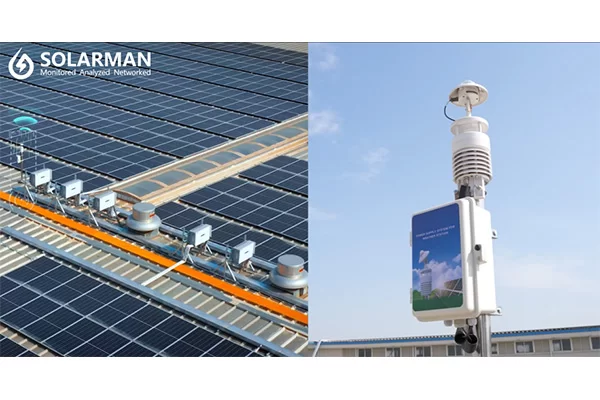
SOLARMAN weather station is also called weather sensor, is specifically designed for solar PV system. It provides a comprehensive environmental monitoring solution for users including irradiance, ambient temperature and humidity, wind direction and speed, and module temperature. With the combination of accurate real-time data, durable products and powerful online platform, SOLARMAN helps users evaluate yield efficiency in a more comprehensive and convenient way.

 EN
EN