In the rapidly evolving landscape of the Internet of Things (IoT), the concept of a smart home has transitioned from a futuristic luxury to a mainstream reality. At the center of this technological revolution lies a critical, yet often overlooked, piece of hardware: the smart home gateway. Acting as the central hub of an automated environment, the gateway is what transforms a collection of isolated smart gadgets into a cohesive, intelligent system.
To understand a smart gateway, one must first recognize the diversity of communication languages used by IoT devices. While your smartphone and laptop typically use Wi-Fi or Bluetooth, many smart sensors, locks, and light bulbs utilize low-power protocols like Zigbee or Z-Wave to conserve energy.
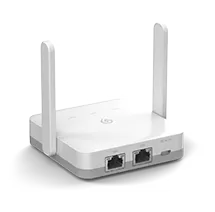
A smart gateway serves as a bridge that connects these disparate devices to the internet and to each other. It performs protocol conversion, translating the Zigbee signal from a motion sensor into a language your Wi-Fi router can understand, allowing you to receive an alert on your phone while you are miles away. Without this intermediary, your various smart devices would remain mute to one another, unable to coordinate actions or provide remote access.
The Essential Functions
A smart home gateway is much more than a simple translator. Its primary functions include data aggregation, local processing, and centralized management.
Data Aggregation: The gateway collects data from dozens of sensors, temperature, humidity, motion, and power consumption, and organizes it for the user.
Local Intelligence: Many modern gateways can process simple commands locally. For instance, if a window sensor is triggered, the gateway can turn on the lights immediately without needing to ask the cloud for permission. This reduces latency and ensures the home remains functional even if the internet goes down.
Security: By acting as a single point of entry, the gateway provides a layer of security, shielding internal device communications from direct exposure to the public internet.
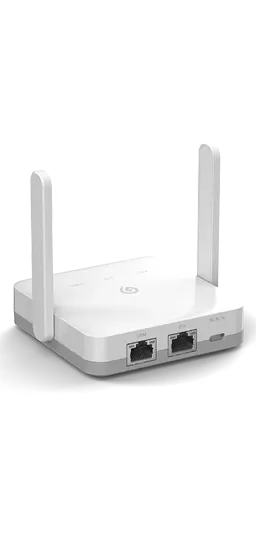
Energy Management
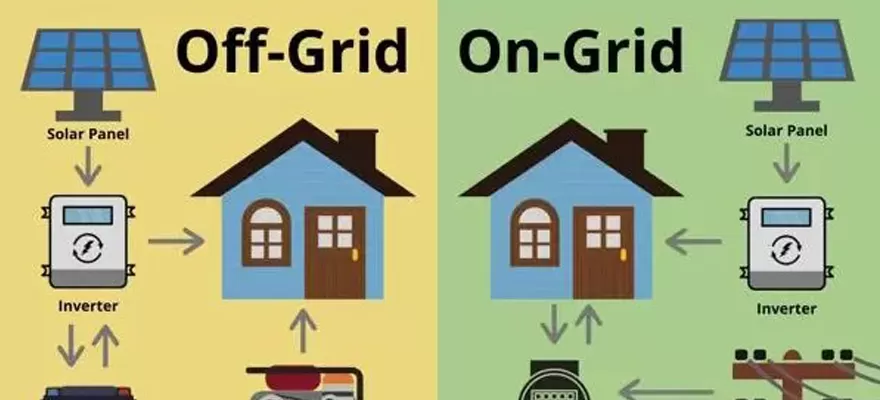
As global energy costs rise and the transition to renewable energy accelerates, the role of the smart gateway has expanded into the realm of sophisticated energy management. It is no longer enough to just turn off a light; modern homeowners want to optimize their solar production and battery storage.
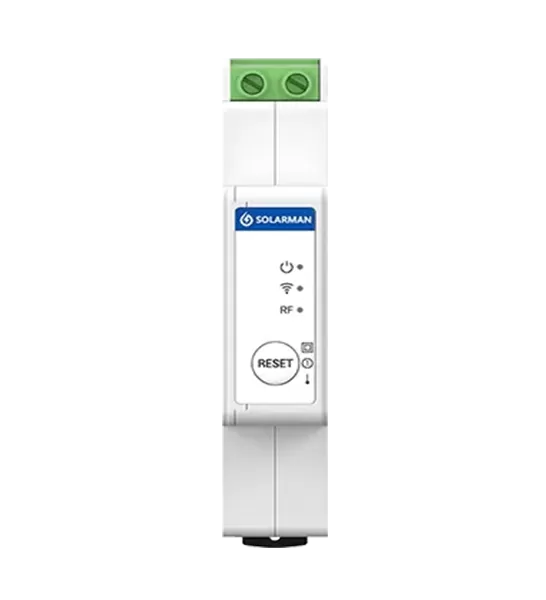
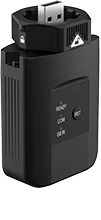
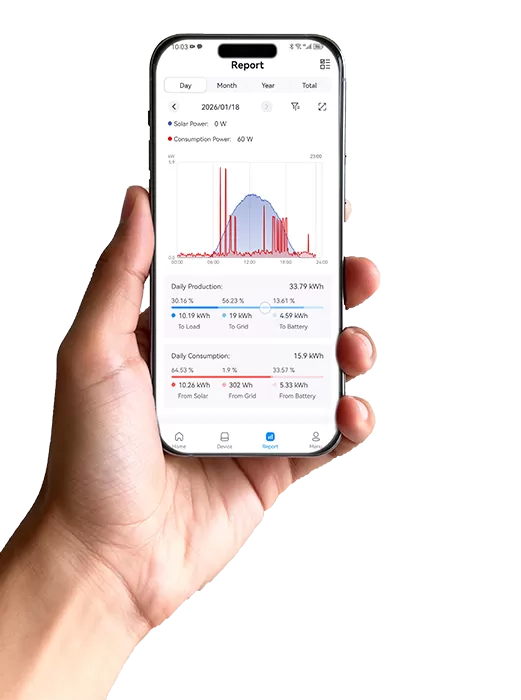
This is where specialized solutions like the SOLARMAN smart gateway come into play. Unlike a standard gateway that might only focus on lighting or security, this type of energy-focused gateway is designed to synchronize the entire energy ecosystem of a home. It monitors solar generation, battery status, and household consumption in real-time. By acting as the central intelligence for power flow, it ensures that solar energy is used when it’s most efficient or stored for peak pricing hours, significantly increasing the Return on Investment (ROI) of a home’s photovoltaic system.
Scaling Up: From Residential to Commercial
The logic of the smart gateway extends far beyond the four walls of a family home. In commercial and industrial settings, the complexity of data and the scale of energy loads require even more robust hardware.
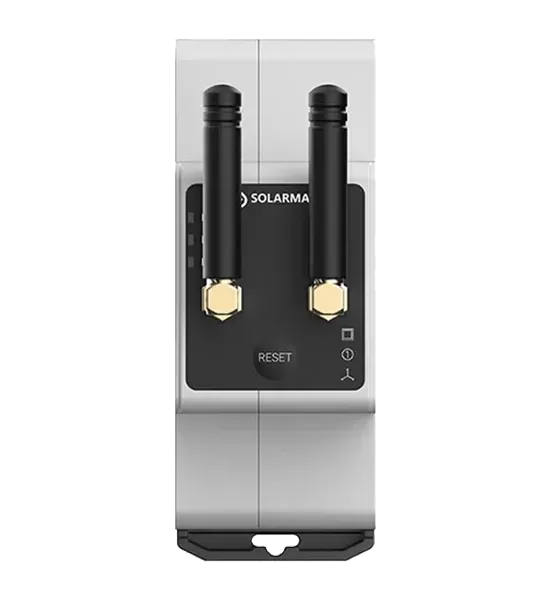
For these larger applications, the SOLARMAN C&I Energy Manager serves as a specialized gateway tailored for Commercial and Industrial (C&I) environments. These systems must handle hundreds of data points from massive solar arrays, industrial-scale energy storage systems (ESS), and complex HVAC units. In a C&I context, the smart gateway provides the critical data needed for peak shaving, reducing electricity use during high-tariff periods, and ensuring the stability of the local microgrid. By integrating advanced communication interfaces, these gateways allow businesses to visualize their carbon footprint and optimize operational costs on a macro scale.
Choosing the Right Gateway
When selecting a smart gateway, hardware versatility is paramount. A future-proof gateway should ideally support Wi-Fi, Bluetooth, Zigbee, and even Matter, the new universal standard for smart home compatibility.
Furthermore, buyers should consider:
Capacity: How many devices can the gateway handle simultaneously?
Range: Can the signal penetrate the walls of a large property?
Integration: Does it work with third-party platforms like Google Home or specialized energy monitoring software?
The smart home gateway is the unsung hero of the modern digital dwelling. It simplifies the complexity of IoT protocols, secures our data, and increasingly helps us manage our planet's resources more responsibly. Whether you are a homeowner looking to automate your lighting or a business owner deploying a C&I Energy Manager to slash utility bills, the gateway remains the indispensable link between dumb hardware and smart living. As we move toward a greener and more connected future, the intelligence of our homes will be defined by the strength and capability of the gateway at their core.

 EN
EN
 fr
fr  de
de  es
es  it
it  nl
nl  pt
pt  cs
cs  pl
pl