Solar power systems are designed to reliably convert sunlight into usable electricity, but real-world conditions such as shading, panel mismatch, temperature variance, and module degradation often prevent a system from reaching its theoretical potential. This is where MPPT (Maximum Power Point Tracking) power optimizers make a significant difference. By maximizing the energy harvest from each individual module and assisting the system to operate at optimal voltage and current levels, MPPT power optimizers represent a critical role in modern PV installations.
What is an MPPT Power Optimizer?
A Maximum Power Point Tracking (MPPT) power optimizer is a device that operates at the module level, continuously monitoring and extracting the maximum power from each PV panel under changing environmental conditions. In any PV system, each solar module has a specific power curve, defined by voltage (V) and current (I), that determines how much power it can generate at any moment. These values constantly change with irradiance (sunlight strength), angle of incidence (position of the sun), temperature, shading, aging and degradation of panels.
Standard string inverters typically use a single MPPT algorithm to track the maximum power point for an entire string of modules. When one panel underperforms, it drags down the performance of the entire string, limiting overall yield.
In contrast, an MPPT optimizer performs MPPT calculation for individual modules or small groups of modules. By independently optimizing each panel’s operating point and then feeding the conditioned output to the inverter, the system ensures that every solar module contributes its maximum possible power at all times.
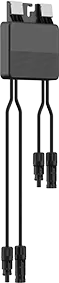
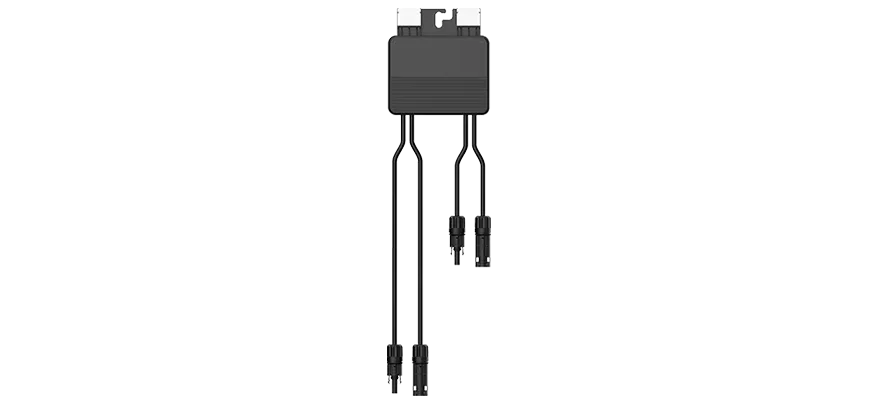
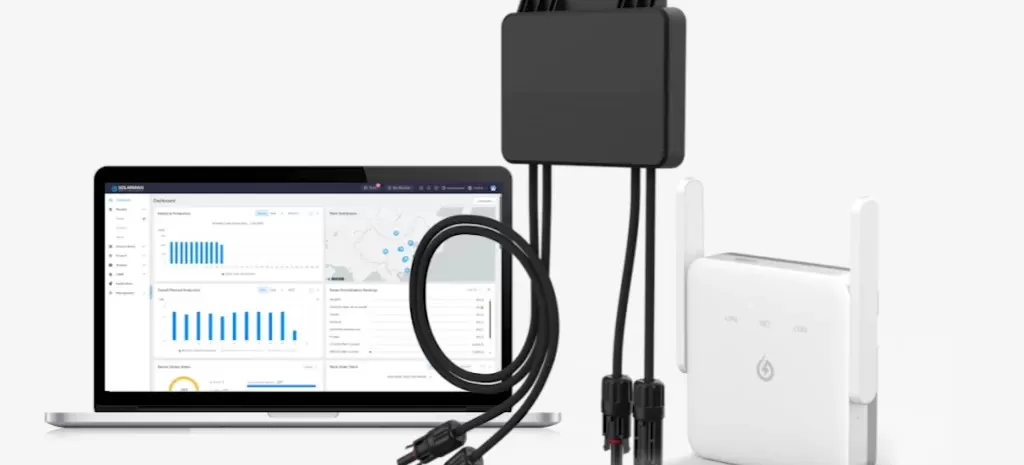
SOLARMAN module PV optimizer can enable each PV module to operate at its maximum power point independently, preventing performance losses due to mismatch and local shading. This modular approach unlocks more consistent and higher overall system output compared to traditional string-level MPPT alone.

How MPPT Optimization Works in Solar PV Systems?
To understand MPPT, it’s important to grasp the concept of the power curve. At any given moment, each solar module has a maximum power point (MPP), the voltage and current at which it can deliver the most power. As conditions change, the optimal MPP shifts.
An MPPT optimizer performs the following functions continuously:
Senses the electrical output of a module (voltage and current).
Calculates the maximum power point through real-time algorithms.
Adjusts the operating point so that the module consistently works at or near its MPP.
Conditions the power output into a form that the inverter can efficiently convert to AC power.
This real-time optimization happens locally for each panel or small module group. When the optimizer detects that a panel’s output drops, the optimizer adjusts the panel’s voltage and current to maintain maximum power output.
This localized control supports higher overall performance because:
A shaded or dirty module no longer drags down the entire string.
Each module contributes the maximum possible energy under its current conditions.
The system can adapt dynamically to changing weather and sun angles without waiting for the inverter’s central MPPT algorithm to react.
MPPT Optimizer vs Micro Inverter
Both MPPT optimizers and micro inverters use Maximum Power Point Tracking, but their approach and impact differ significantly.
Micro Inverter
In a microinverter system, each PV module is equipped with its own inverter that performs both MPPT and DC-to-AC conversion directly at the module level. This allows every solar panel to operate independently and achieve its maximum power output regardless of shading, orientation differences, or performance variations in other modules. Microinverters are well suited for complex rooftop installations and provide detailed module-level monitoring, but they typically come with higher upfront costs and place more power electronics on the rooftop, which may affect long-term maintenance considerations.
Module MPPT Optimizer
In MPPT optimizer systems, each module has its own MPPT device. This enables individual power tracking, better performance under non-uniform irradiance and higher total energy yield. It can also reduce the impact of shading or degradation. Module optimizers empower each panel to operate at its own maximum power point independently, reducing mismatch loss and achieving more consistent long-term performance. In essence, MPPT power optimizers augment or complement inverter MPPT by adding granular control, which can dramatically improve real-world performance over the life of the system.
Advantages of MPPT Optimizers in Shaded or Mismatched Arrays
1. Shading Tolerance
Shadows from rooftops, trees, chimneys, or nearby buildings can significantly reduce a module’s output. In a traditional system, a shaded panel could reduce the output of the entire string. With MPPT optimizers, shading only affects the specific module, minimizing overall impact.
2. Module Mismatch Compensation
Not all modules produce identical output due to manufacturing differences, aging, or temperature variance. MPPT optimizers compensate for these differences by tracking each panel independently.
3. Improved System Availability
When one part of the system is underperforming, optimizers help maintain higher overall system power output, reducing performance dips and delivering better reliability.
4. Enhanced Yield in Variable Weather
Overcast days, partial clouds, and sun-angle changes introduce dynamic conditions that challenge centralized MPPT algorithms. Module-level MPPT handles these variations with more precision.
5. Module-Level Diagnostics
Optimizers often provide per-module performance data, enabling easier troubleshooting and maintenance. Instead of guessing which section of a string is underperforming, owners can pinpoint the exact module.
MPPT Optimizers in Residential and Commercial Solar Systems
Residential Installations
Homes often have complex roof orientations, partial shading, and heterogeneous panel layouts. MPPT optimizers make a significant difference in these scenarios by tailoring power extraction for each module.
This results in higher self-consumption, lower payback periods, and enhanced ROI over the system lifespan.
Commercial and Industrial Installations
Large ground-mounted arrays or rooftop systems may feature long strings and multiple orientations. While shading may be less of a concern on open fields, mismatches and wiring losses still affect performance. MPPT optimizers at scale help extract more predictable and consistent energy yields.
In both residential and commercial contexts, MPPT optimization enhances performance outcomes. But the return on investment tends to be more pronounced in systems with complex shading patterns or varied module conditions.
Key Technical Parameters of MPPT Optimizers
1. Maximum Input Voltage
Indicates the voltage range the optimizer can handle. Choose an optimizer rated for the string or module layout in your system.
2. MPPT Efficiency
High MPPT efficiency ensures the optimizer finds the best power point quickly and accurately, minimizing energy loss.
3. Operating Temperature Range
Solar sites can be extreme environments. An optimizer PV module with a wide operating temperature range ensures reliable performance under hot roof surfaces or cold climates.
4. Environmental Durability
IP ratings and protective housing are crucial for outdoor exposure.
SOLARMAN Module PV Optimizer Features and Benefits
Increase the system power generation by 5% to 30%
Maintain performance under shading and partial mismatch
Provide critical module-level performance data
Integrate seamlessly with SOLARMAN monitoring platforms
Support 99% of inverter brands and configurations
Enhanced system visibility and diagnostics
Lower loss of production in complex layouts
Better overall system reliability
Superior long-term energy yields
SOLARMAN emphasizes that high-quality optimization devices combine precision engineering with durable materials, ensuring long-term operational stability. Our PV module optimizers represents advanced technology tailored for modern PV installations. They are central to achieving a breakthrough in solar efficiency by ensuring each module contributes its maximum potential, regardless of local conditions.

 EN
EN