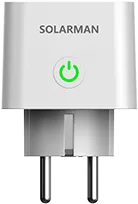
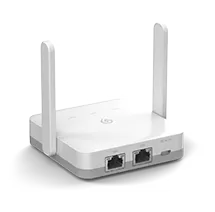
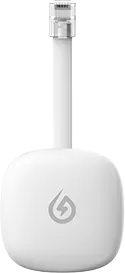
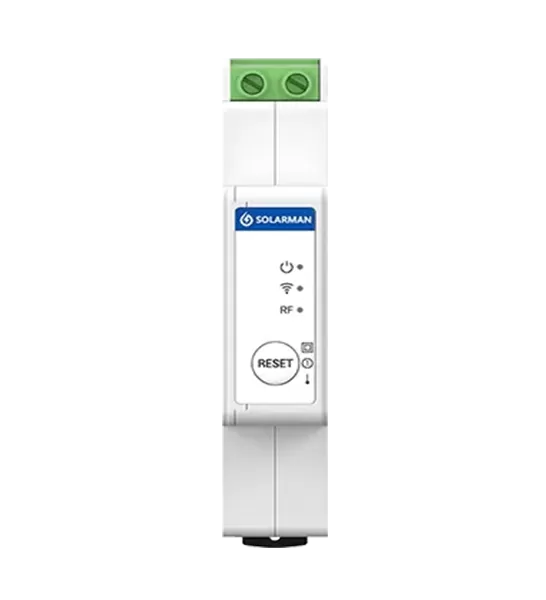
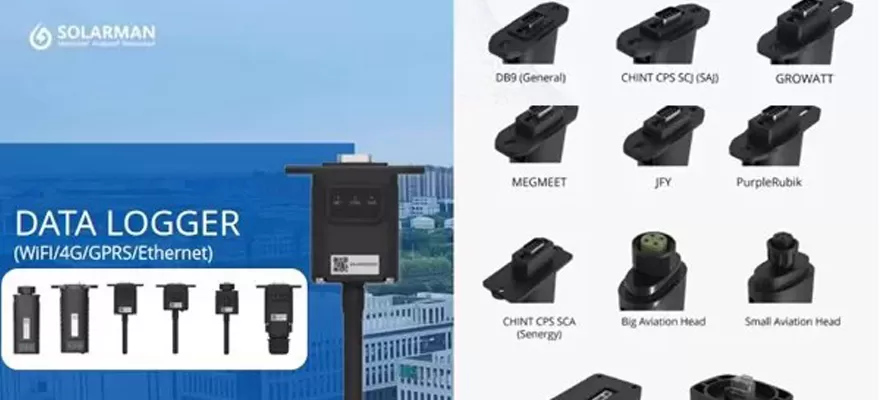
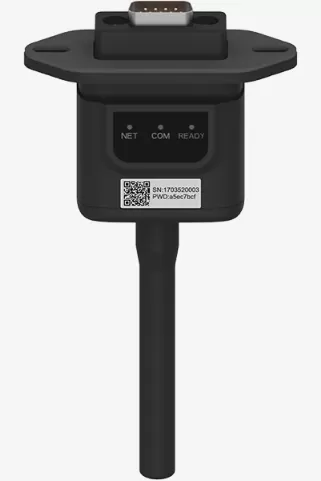
A WiFi stick for a solar inverter is a compact communication device that connects your solar inverter to the cloud. Its primary job is to collect operating data from the inverter and upload it to a cloud-based monitoring platform, enabling users to monitor real-time energy production, performance metrics, error logs, and consumption patterns from anywhere.
Modern solar systems rely heavily on continuous data visibility. Solar owners and service teams all depend on accurate system data to optimize performance, reduce downtime, diagnose issues remotely, and maximize energy yield. A solar WiFi stick is a lightweight, easy-to-install solution that enables this entire digital monitoring system.
As solar plants become more distributed, intelligent, and interconnected, smart monitoring tools such as WiFi sticks are becoming essential. They are the foundation of digital PV management, automating data collection, enabling intelligent analysis, and powering a future where solar energy systems operate with minimal manual intervention.
How a Solar WiFi Stick Connects Your Inverter to the Cloud?
To understand how a WiFi stick works, think of it as the bridge between your inverter and the cloud. It performs two crucial roles: data collection from the inverter, and data transmission to the monitoring platform.
Here’s how the process works:
1. Data Acquisition from the Inverter
The WiFi stick plugs directly into the inverter’s communication port, typically RS485, RS232, or a vendor-specific USB interface. Once connected, it automatically gathers data such as power output, voltage and current levels, daily and historical generation, inverter status and alarms, temperature and internal metrics, battery charging/discharging data for storage systems. SOLARMAN’s advanced data loggers support high-frequency sampling, ensuring that the cloud platform receives precise and accurate system information in near real time.
2. Wireless Transmission to the Network
The device connects to your local WiFi router using standard 2.4 GHz networks. After pairing, the stick uploads encrypted data to the manufacturer’s cloud server.
3. Cloud Processing and Visualization
Once transmitted, the solar platform performs data analysis, fault diagnosis, performance benchmarking, trend visualization, AI-powered recommendations. Users can then view all data from App, PC web portal, or desktop client.
4. Two-Way Communication
Some advanced WiFi sticks also support remote configuration, allowing installers to adjust inverter parameters or update firmware without visiting the site. This seamless data loop transforms a traditional inverter into an intelligent energy device, providing the backbone for modern PV digitalization.
Key Features to Look for
When choosing a solar inverter WiFi stick, not all devices are created equal. A high-quality data logger ensures stable connectivity, reliable uploads, and compatibility with a wide range of equipment.
1. Transmission Speed and Stability
A good WiFi stick should support high data throughput and low latency. Stable communication ensures faster data refresh rates, more accurate energy analysis, real-time performance dashboards and immediate alert notifications.
SOLARMAN WiFi sticks are engineered for continuous 24/7 communication, minimizing interruptions even on networks with heavy traffic.
2. Wide Inverter Compatibility
Solar inverters come from hundreds of manufacturers, each with different protocols. Look for multi-brand compatibility, support for international inverter standards, automatic protocol recognition, seamless plug-and-play operation.
3. Strong WiFi Signal Range
Inverters are often installed outdoors or in areas with weak WiFi. A strong antenna and transmission power help avoid outages. Good stick loggers offer long-range signal reception, anti-interference capabilities, and fast reconnection after signal loss.
4. Robust Build and Protection
Because WiFi sticks operate in challenging environments, they should include surge protection, dust and moisture resistance, high-temperature tolerance, UV-resistant housing for outdoor use.
5. Intelligent Data Features
The best WiFi sticks do more than just upload data—they support smart monitoring, including high-precision sampling, real-time analysis, fault detection, remote diagnostics, firmware updates.
6. Easy Installation
Plug, pair, and start monitoring. No need for wiring, tools, or technical expertise. SOLARMAN’s stick loggers are known for extremely fast setup.
Use Cases for Solar WiFi Sticks
As distributed PV system becomes the dominant trend, WiFi sticks are essential for seamless interconnection between devices and the cloud. WiFi sticks are ideal for nearly all residential and small commercial PV systems.
Residential Solar System: Homeowners can track real-time production and consumption, monitor savings, and receive alert notifications.
Small to Mid-Size Commercial Roof Systems: Retail stores, offices, and workshops benefit from remote monitoring without the need for complex networking infrastructure.
Distributed PV Systems: WiFi sticks enable easy deployment across hundreds of rooftops, supporting centralized monitoring.
Smart Energy Management: Combined with smart meters, batteries, and EV chargers, WiFi sticks complete a unified energy ecosystem.
Troubleshooting Connection Issues and Solutions
1. Stick Logger Not Connecting to WiFi
Ensure the router is 2.4 GHz
Check the WiFi password
Move the router or add a WiFi extender
Restart inverter and stick
2. Data Not Uploading
Verify the LED indicators
Ensure internet access isn’t blocked by a firewall
Check that the stick logger is firmly inserted
Confirm the device is activated in the monitoring platform
3. Weak WiFi Signal
4. Inverter Not Recognized
Check protocol compatibility
Update the logger firmware if supported
Confirm the inverter’s communication port is enabled
What Affects the Solar Inverter WiFi Stick Price?
A stable, well-designed WiFi stick is a small but crucial investment that protects your solar asset and ensures long-term system performance. The prices vary widely based on the technology and brand. Several factors affect this:
1. Communication Capability
WiFi-only sticks are more affordable, while versions that support WiFi + Bluetooth + Ethernet command higher prices.
2. Data Frequency and Accuracy
Devices offering faster data refresh rates or high-resolution sampling are more advanced and usually cost more.
3. Compatibility
Universal sticks with broad inverter support tend to be priced higher than brand-specific models.
4. Build Quality and Durability
Environmental protections, like surge protection, waterproofing, heat resistance, increase manufacturing costs.
5. Additional Smart Functions
Remote control, advanced encryption, or cloud integration raise the value.
SOLARMAN WiFi Stick Features and Benefits
SOLARMAN is one of the global leaders in solar monitoring technologies, offering a full lineup of advanced types of data logger, including WiFi Stick Loggers, 4G loggers, and LAN loggers.
Key Features
Plug-and-play installation
High-frequency data sampling
Automatic network reconnection
Real-time monitoring through SOLARMAN Cloud
Remote configuration and firmware upgrades
Secure encrypted data transmission
Long-range WiFi communication
Durable industrial-grade components
Core Benefits
Improved accuracy and real-time visibility
Faster fault detection and shorter downtime
Lower operation and maintenance costs
Full plant lifecycle monitoring
Supports distributed large-scale deployment
Seamless integration with smart meters and energy gateways
 EN
EN
 fr
fr  de
de  es
es  it
it  nl
nl  pt
pt  cs
cs  pl
pl