Solar power plants represent one of the most significant investments in renewable energy infrastructure. Whether rooftop commercial installations or large-scale ground-mounted arrays, these systems require continuous oversight to ensure optimal performance, reliability, and financial returns. Solar power plant monitoring services have become essential tools for asset owners, operators, and maintenance teams to maximize energy yield, minimize downtime, and protect long-term investments.
The Importance of Monitoring in Solar Power Plants
Modern solar power plants consist of thousands of interconnected components — PV modules, inverters, transformers, cabling, and balance-of-system equipment. Environmental factors such as soiling, shading, temperature fluctuations, and weather events, along with equipment degradation or faults, can significantly impact output. Without proper monitoring, these issues often go undetected until they cause substantial energy losses.
Effective monitoring services provide real-time visibility into system performance. They track key metrics including energy production, inverter efficiency, string-level or module-level output, power quality, and environmental conditions. By comparing actual generation against expected performance (based on irradiance, weather data, and system design), operators can quickly identify underperformance and take corrective action. Well-implemented monitoring can recover 2-5% or more of annual energy production that would otherwise be lost to undetected faults or inefficiencies.
Key Benefits
Early fault detection and predictive maintenance: Monitoring platforms generate alarms for anomalies such as inverter failures, string disconnections, rapid shutdown events, or abnormal temperature rises. This allows maintenance teams to address problems before they escalate, reducing downtime and expensive emergency repairs. Predictive analytics, powered by historical data trends, can forecast potential failures, enabling scheduled interventions that extend equipment lifespan.
Performance optimization: Detailed analytics help operators understand how different parts of the plant perform under varying conditions. For commercial and industrial (C&I) plants, this includes analyzing power flows between solar generation, storage, consumption, and grid interaction. With clear insights, operators can implement intelligent scheduling, adjust operational strategies, and fine-tune the system for maximum yield.
Financial returns improvement: Higher energy production directly translates to increased revenue from power purchase agreements (PPAs), feed-in tariffs, or self-consumption savings. Accurate performance reporting also supports compliance with performance guarantees, insurance claims, and investor reporting requirements. Additionally, remote monitoring reduces the need for frequent on-site inspections, lowering operational expenditure (OPEX).
Safety and asset protection: Advanced systems monitor for electrical faults, overheating, or security breaches at substations and remote sites. Integration with weather stations provides contextual data on irradiance, wind speed, and temperature, helping differentiate between weather-related dips and genuine equipment issues.
Scalability and data-driven decision making: Modern monitoring services aggregate data from multiple sites into centralized dashboards, making portfolio management straightforward for large developers or asset managers. Custom reports, KPIs (such as Performance Ratio and Availability), and exportable historical data support strategic planning and future expansions.
Features of Advanced Monitoring Platforms
Leading solar power plant monitoring services offer multi-level visibility: system-level, inverter-level, and often string or module-level data. Real-time dashboards display live energy flows, historical trends, and comparative analysis against modeled expectations. Mobile apps and web portals enable access from anywhere, with customizable alerts delivered via email, SMS, or push notifications.
Integration capabilities are vital. High-quality platforms connect with inverters from various brands, smart meters, weather stations, and energy storage systems. They support protocols that ensure seamless data collection and often include AI-driven insights for automated optimization.
Comprehensive Solar Monitoring Solutions
A standout provider in this space is SOLARMAN, a leading manufacturer of solar monitoring and energy management systems with over 15 years of expertise. SOLARMAN offers a complete ecosystem of hardware and software tailored for effective PV plant oversight.
At the heart of their offering is the SOLARMAN Cloud platform, supported by user-friendly applications such as SOLARMAN Smart and SOLARMAN Business. These solutions deliver intelligent monitoring and data-driven insights specifically designed for complex commercial and industrial energy systems, including solar power plants. Users gain full visibility into power flows, real-time performance of inverters, batteries, meters, and other devices, enabling informed decision-making and automated optimization.
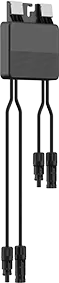
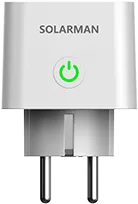
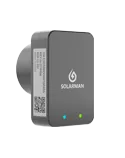
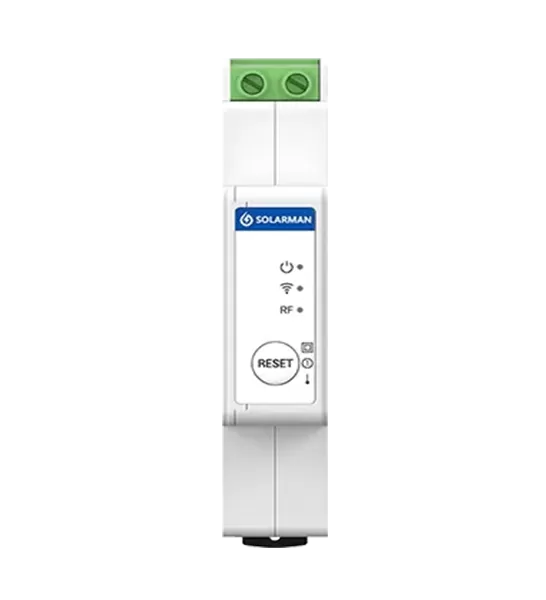
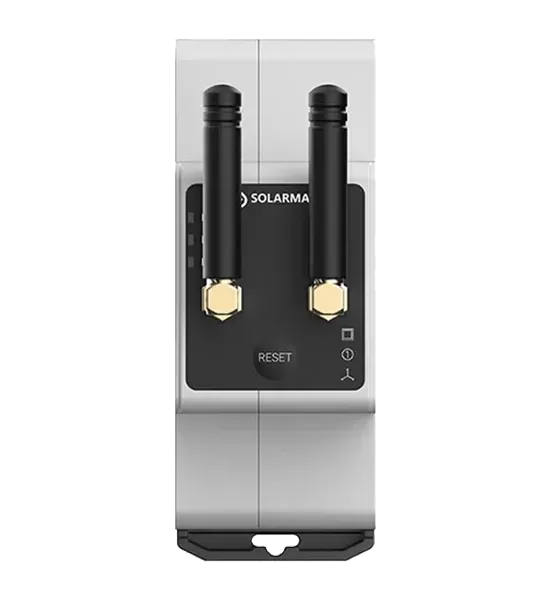
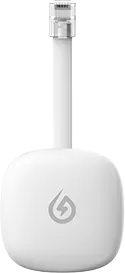
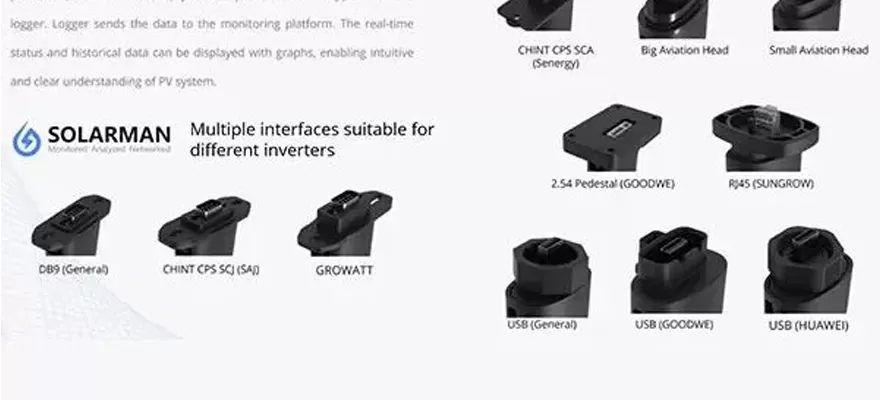
SOLARMAN’s hardware complements the software perfectly. Options include smart meters (single-phase and three-phase), data loggers (Stick and DIN-Rail models), smart gateways, weather stations, and module PV optimizers. This integrated approach ensures accurate data collection and robust connectivity, even in large-scale installations. The platform supports remote monitoring, rapid fault alerts, and comprehensive analytics, helping operators maximize ROI while enhancing system safety and reliability.
Whether managing a single C&I rooftop plant or a portfolio of distributed assets, SOLARMAN adapts to unique site needs. Its compatibility with major inverter brands and focus on AI-powered insights make it a versatile choice for both new installations and retrofits. Features like visual energy-flow dashboards, historical data exports, and one-minute station setup simplify operations significantly.
Choosing the Right Monitoring Service
When selecting a monitoring provider, consider factors such as data granularity, ease of integration, alert customization, cybersecurity measures, and long-term support. For utility-scale or C&I solar power plants, prioritize platforms with strong analytics, portfolio management tools, and proven scalability. Cloud-based services with mobile access are particularly valuable for teams overseeing multiple sites.
While basic inverter-level monitoring is often included by manufacturers, dedicated third-party or specialized services like SOLARMAN provide deeper insights and broader device compatibility, delivering superior long-term value.
In an increasingly competitive renewable energy landscape, solar power plant monitoring services are no longer optional — they are fundamental to operational excellence. By enabling real-time oversight, early intervention, performance optimization, and data-driven strategies, these services help plant owners achieve higher energy yields, lower costs, and greater energy independence.
With solutions like SOLARMAN offering end-to-end monitoring hardware and intelligent cloud platforms, operators can confidently manage their assets with greater efficiency and peace of mind. As solar installations continue to grow in scale and complexity, investing in robust monitoring will remain key to unlocking the full potential of clean energy infrastructure and ensuring sustainable returns for decades to come.
 EN
EN
 fr
fr  de
de  es
es  it
it  nl
nl  pt
pt  cs
cs  pl
pl