Solar panel systems have become a cornerstone of renewable energy adoption worldwide, offering homeowners and businesses a sustainable way to generate electricity and reduce reliance on the grid. However, traditional string inverter setups often face challenges that limit overall performance. This is where power optimizers come into play. By enabling module-level power electronics, optimizers maximize energy harvest from each individual solar panel, delivering significant improvements in efficiency, safety, and system flexibility.
Understanding PV Optimizers
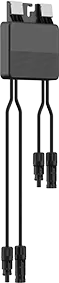
PV optimizers are DC-to-DC converters installed on or near each solar panel. Unlike traditional string systems, where panels are connected in series and the weakest panel drags down the performance of the entire string, optimizers use Maximum Power Point Tracking (MPPT) at the module level. This technology continuously adjusts voltage and current to ensure every panel operates at its optimal power point, regardless of conditions affecting neighboring panels.
In a standard string inverter system, factors like partial shading from trees, chimneys, or nearby buildings, dust accumulation, bird droppings, or even manufacturing tolerances between modules can cause substantial energy losses. A single underperforming panel can reduce output across the entire string by 15-50% in severe cases. Optimizers mitigate this by isolating each panel's performance, allowing unshaded or higher-performing panels to contribute fully to the system's total output.
Key Benefits of Using Optimizers
One of the primary advantages is increased energy production. The PV optimizer for solar panels can boost overall system yield by 5% to 30%, depending on site-specific conditions such as shading patterns and panel orientation. In partially shaded environments, gains can reach up to 25% compared to non-optimized systems. This translates directly into higher electricity generation, lower energy bills, and a faster return on investment (ROI) for the solar installation.
Shading tolerance stands out as a major benefit. Many residential and commercial roofs have unavoidable shading at different times of the day or year. Without optimizers, even minor shading can disproportionately impact output. With module-level optimization, the system maintains high efficiency, making it feasible to install panels on complex roof layouts, multiple roof facets, or orientations that would otherwise be suboptimal.
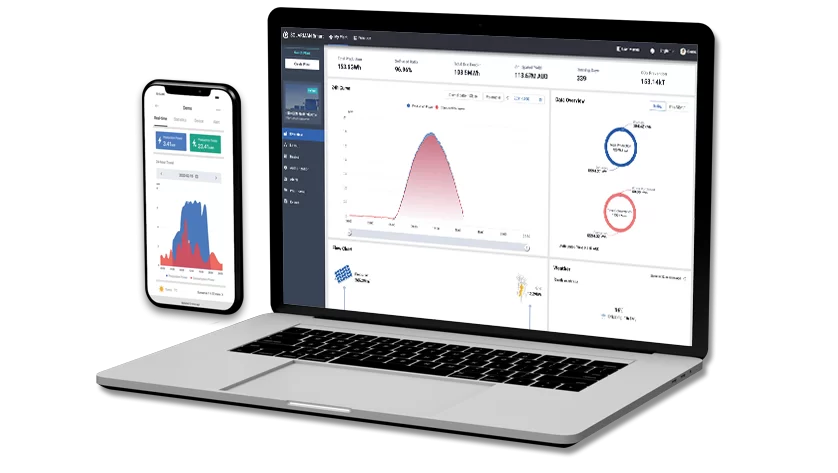
Another critical benefit is enhanced monitoring and maintenance. Optimizers provide granular, module-level data on performance metrics such as voltage, current, and power output. This allows system owners to quickly identify underperforming panels due to dirt, damage, or degradation. Early detection reduces downtime and maintenance costs while extending the overall lifespan of the PV array. Real-time alerts and detailed analytics through mobile apps or web portals empower proactive management.
Safety is also significantly improved. Many optimizers incorporate rapid shutdown capabilities that automatically reduce high DC voltage to safe levels when the inverter is switched off or during emergencies. This feature complies with international fire safety regulations and minimizes risks for firefighters and maintenance personnel. Additionally, some systems monitor for overheating, providing an extra layer of protection against electrical faults.
System design flexibility expands installation possibilities. Optimizers allow mixing panels of different wattages or brands and support installations where panels face varying directions or angles. They work seamlessly with central string inverters, offering a cost-effective middle ground between basic string systems and more expensive microinverter setups. In many cases, optimizers can be applied selectively to only the shaded or problematic panels rather than the entire array, optimizing costs without sacrificing performance.
Introducing SOLARMAN Module PV Optimizer
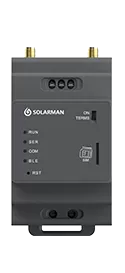
For those seeking reliable and high-performance solutions, products like the SOLARMAN PV Optimizer exemplify the technology's potential. Available in models such as the MPO650 (up to 650Wp) and MPO850 (up to 850Wp), these optimizers deliver a peak conversion efficiency of 99.5% and recover electricity losses caused by module mismatch. They support flexible installation, either on all modules or partially, making them adaptable to various system designs.
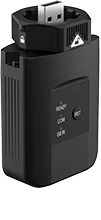
The SOLARMAN optimizer stands out for its broad compatibility with 99% of inverter brands, easy screw-and-clip mounting, and advanced BLE Mesh communication that supports up to 300 devices over a 300-meter range. It features a wide MPPT voltage range (10-70V) and operates reliably from -40°C to +85°C. Beyond performance gains of 5-30%, it includes one-click rapid shutdown for enhanced fire safety and comprehensive module-level monitoring via a user-friendly app for quick troubleshooting and system optimization. With its compact design, lightweight build, and certifications including CE, RoHS, REACH, and TUV, the SOLARMAN PV Optimizer provides a future-proof solution for maximizing solar investment.
The benefits of using optimizers for solar panels are clear: higher energy production, superior shading resilience, detailed monitoring, improved safety, and greater design flexibility. In an era where maximizing every kilowatt-hour counts toward energy independence and sustainability goals, module-level power optimization technology has become a smart enhancement for many PV systems.
Whether facing minor shading issues or seeking optimal performance from a varied roof layout, solutions like the SOLARMAN Module PV Optimizer empower users to extract maximum value from their solar investment. As solar technology continues to evolve, incorporating power optimizers represents a practical step toward more efficient, resilient, and safer renewable energy generation. Homeowners and installers should evaluate site-specific conditions with professionals to determine the best configuration, but the data consistently shows that in the right applications, optimizers deliver substantial long-term returns.

 EN
EN
 fr
fr  de
de  es
es  it
it  nl
nl  pt
pt  cs
cs  pl
pl