In a traditional string inverter system, solar panels are connected in a series. If a single panel is shaded by a chimney, covered by fallen leaves, or underperforms due to manufacturing tolerances, the output of the entire string drops to the level of the weakest panel. This inefficiency led to the development of Power Electronics at the Module Level (MLPE), with the PV optimizer emerging as a primary solution to unlock the full potential of every individual solar module.
How PV Optimizers Work?
To understand the function of a PV optimizer, one must first understand Maximum Power Point Tracking (MPPT). Every solar panel has a specific point on its current-voltage curve where it produces the most power. This point fluctuates constantly based on sunlight intensity and temperature.
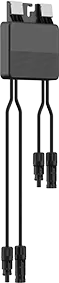
In a standard system, the string inverter performs MPPT for the entire array at once. A PV optimizer, however, is a DC-to-DC converter installed on the back of each individual panel. It performs MPPT at the module level. By adjusting the voltage and current of each panel independently, the optimizer ensures that even if one panel is struggling, the others in the string can continue to operate at their maximum capacity. The optimizer then conditions the power before sending it to the inverter, maintaining a constant voltage across the string while maximizing the total energy harvested.
The Core PV Optimizer Functions
The adoption of PV optimizers is driven by three critical functions: mitigation of mismatch, enhanced safety, and granular monitoring.
1. Mitigating Shading and Mismatch
Environmental factors are the greatest enemies of solar efficiency. Even partial shading on 10% of a panel’s surface can result in a 50% power loss for that specific module. Without an optimizer, that 50% loss is mirrored across every other panel in the series.
Optimizers solve mismatch issues, which occur when panels have slightly different electrical characteristics. This can happen due to uneven aging, different tilt angles on a complex roof, or even bird droppings. By decoupling the performance of panels, optimizers allow for much more flexible roof designs, enabling installers to place panels on east, west, and south-facing roofs within the same string.
2. Enhancing System Safety
Safety is a paramount concern for rooftop solar installations. In a traditional system, even if the inverter is turned off, the DC wiring from the panels to the inverter remains live and carries high voltage. This poses a significant risk to firefighters or maintenance crews. PV optimizers provide a Rapid Shutdown (RSD) function. When the system is de-energized or the AC grid fails, the optimizers automatically reduce the output voltage of each module to a safe level. This ensures the DC cables are safe to touch, complying with stringent international safety codes like NEC 2017/2020.
3. Module-Level Monitoring
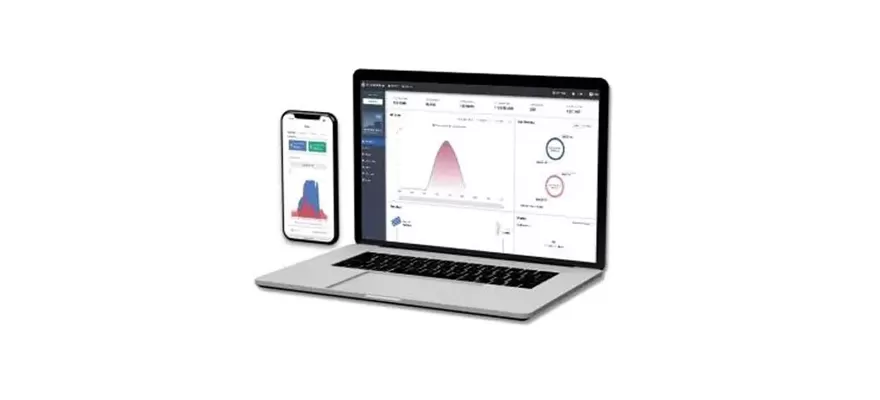
In a standard string setup, if your system's production drops, it is difficult to identify the culprit without physically inspecting every panel. PV optimizers provide a window into the health of every single module. This data-driven approach allows homeowners and O&M (Operation and Maintenance) teams to identify specific failures, such as a cracked cell or a faulty bypass diode, remotely and instantly.
The SOLARMAN Advantage
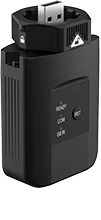
For those looking to integrate this technology into their systems, the SOLARMAN PV optimizer represents a high-performance choice in the MLPE market.
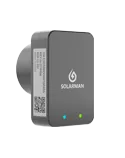
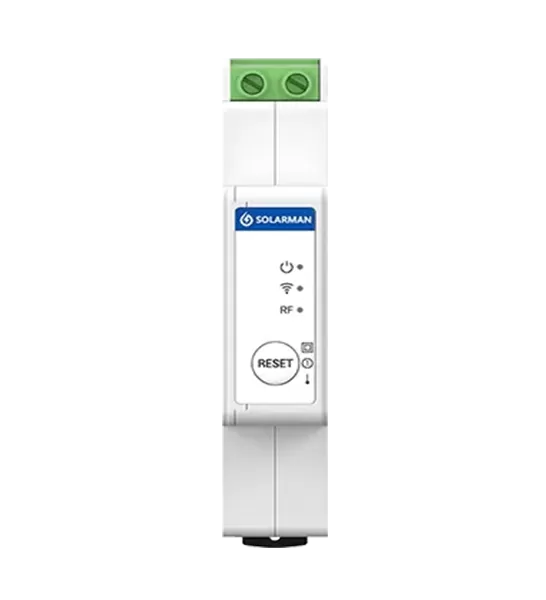
This specific optimizer is designed to tackle the bottleneck effect head-on. By increasing the system power generation by up to 30% in shaded or mismatched environments, it significantly shortens the payback period of a solar investment. One of the standout features of the SOLARMAN PV module optimizer is its seamless integration with the broader SOLARMAN monitoring ecosystem. It allows users to visualize the real-time performance of each module through a cloud-based interface, turning invisible energy flows into actionable data. Furthermore, its robust design ensures long-term reliability even in harsh environmental conditions, making it an ideal companion for residential and commercial rooftops alike.
Is a PV Optimizer Worth It?
The decision to install optimizers often depends on the specific site conditions. If you have a perfectly flat, south-facing roof with zero obstructions, the benefits might be marginal. However, most real-world installations face some level of complexity.
The worth of an optimizer isn't just measured in extra kilowatt-hours. It is also measured in peace of mind. The added safety of rapid shutdown and the ease of maintenance provided by module-level monitoring often justify the additional upfront cost, regardless of shading issues. For commercial properties with large arrays, the ability to pinpoint a single failing module among hundreds saves countless hours of labor and ensures the system remains at peak performance for its entire lifespan.
The PV optimizer has fundamentally changed the logic of solar energy production. By shifting the focus from the string to the module, it has made solar more resilient, more efficient, and significantly safer. Whether you are dealing with a complex roofline or simply want to ensure your investment is protected against future shading, technology like the SOLARMAN PV optimizer provides the intelligence needed to maximize every ray of sunlight. In the race toward a sustainable future, the optimizer ensures that no watt is left behind.
 EN
EN
 fr
fr  de
de  es
es  it
it  nl
nl  pt
pt  cs
cs  pl
pl